You’ve just finished reading a wonderful picture book to your class. The last page is turned, you close the book, and… now what? If you’ve ever felt uncertain about how to meaningfully extend your interactive read aloud, you’re not alone. This post will guide you through effective strategies to extend the read aloud lesson.
The Power of Post-Reading Discussion
Discussion is the bridge between reading and understanding. It’s where students process what they’ve heard, make connections, and deepen their comprehension. While it might be tempting to skip this step when time is tight, even a brief, focused discussion can significantly impact student learning.
Essential Discussion Elements
Retelling the Story
Retelling goes beyond simply recounting the plot. Encourage students to retell the story from different perspectives:
Through another character’s eyes
Focusing on problem and solution
Highlighting cause and effect relationships
Sequencing major events
This practice not only reinforces comprehension but also helps identify any misunderstandings that need clarification.
Sharing Thoughts and Making Connections
When students share their thinking about a story, they often make surprising and insightful connections. Create space for students to:
Make text-to-self connections
Share their reactions to story events
Discuss character motivations
Express opinions about author’s choices
To deepen these discussions, use prompts like “What made you think that?” or “Tell us more about that idea.”
Discussing Lessons Learned
Picture books often contain valuable life lessons, but discovering them should be an exploratory process. Instead of directly asking about the moral, try these approaches:
Examine character growth and change
Discuss how problems were solved
Consider the author’s message
Connect themes to students’ experiences
Checking Predictions
Revisiting predictions made before and during reading is a valuable metacognitive exercise. Have students:
Compare predictions to actual events
Identify clues that led to their predictions
Discuss how and why predictions changed
Reflect on their thinking process
Meaningful Activities to Extend the Read Aloud
While discussion is crucial, sometimes you’ll want to extend learning through focused activities. The key is choosing activities that serve a clear purpose and align with your learning objectives.
Types of Extension Activities
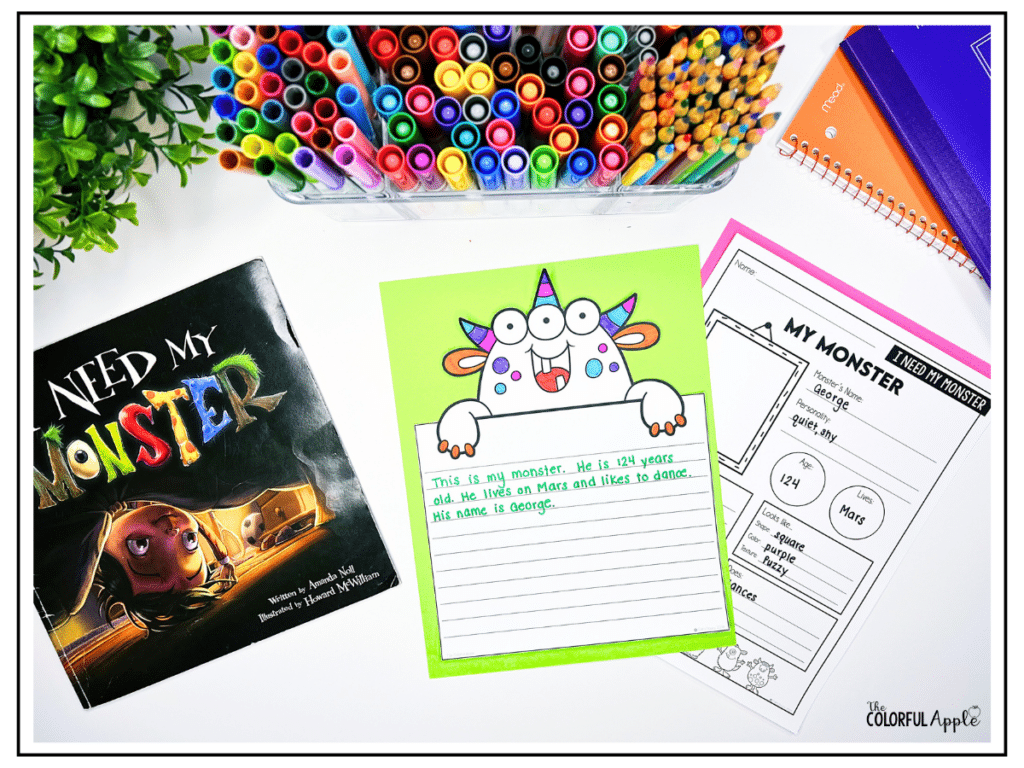
Graphic Organizers
These provide structure for student thinking and can be completed efficiently. Use them to:
Analyze character traits
Map story elements
Compare and contrast
Organize key details
Writing Responses
Quick writing activities help students process and respond to the text:
Predict what happens next
Write from a character’s perspective
Respond to a specific aspect of the story
Connect the text to personal experiences
Creative Connections
Hands-on activities bring the story or skill to life:
Create alternative book covers
Design character maps
Act out key scenes
Make story-related crafts that reinforce learning
Making It Work in Your Classroom
The most successful post-reading experiences happen when you:
Plan ahead but remain flexible
Keep your learning objective in focus
Choose activities that work for your specific students
Consider time constraints realistically
Document student responses for assessment
Final Thoughts
Extending your interactive read aloud doesn’t have to be complicated or time-consuming. Focus on meaningful discussions, be intentional with your activities, and always keep your learning objective in mind. With these strategies, you can create powerful learning experiences that make the most of your read aloud time.
Remember, the goal isn’t to do everything after every read aloud. Instead, choose the discussion points and activities that best serve your students’ needs and your teaching objectives. Over time, you’ll develop a repertoire of go-to strategies that work well for your classroom.