Interactive Read Aloud Series Part 3:
How to Deliver the Read Aloud Lesson
Delivering an effective interactive read aloud is one of the most powerful instructional tools we have as educators. When done well, it creates opportunities for deep learning, builds comprehension skills, and fosters a love of reading. This guide will walk through the essential elements of delivering an interactive read aloud that engages students and maximizes learning opportunities.
Creating an Effective Learning Environment
The physical setup of your read aloud space significantly impacts student engagement and participation. While read alouds can be conducted at students’ desks when necessary, a dedicated carpet or whole group area creates an optimal environment for interactive learning. This arrangement facilitates better book visibility, encourages active participation, and creates a more collaborative atmosphere.
Essential materials to prepare before beginning:
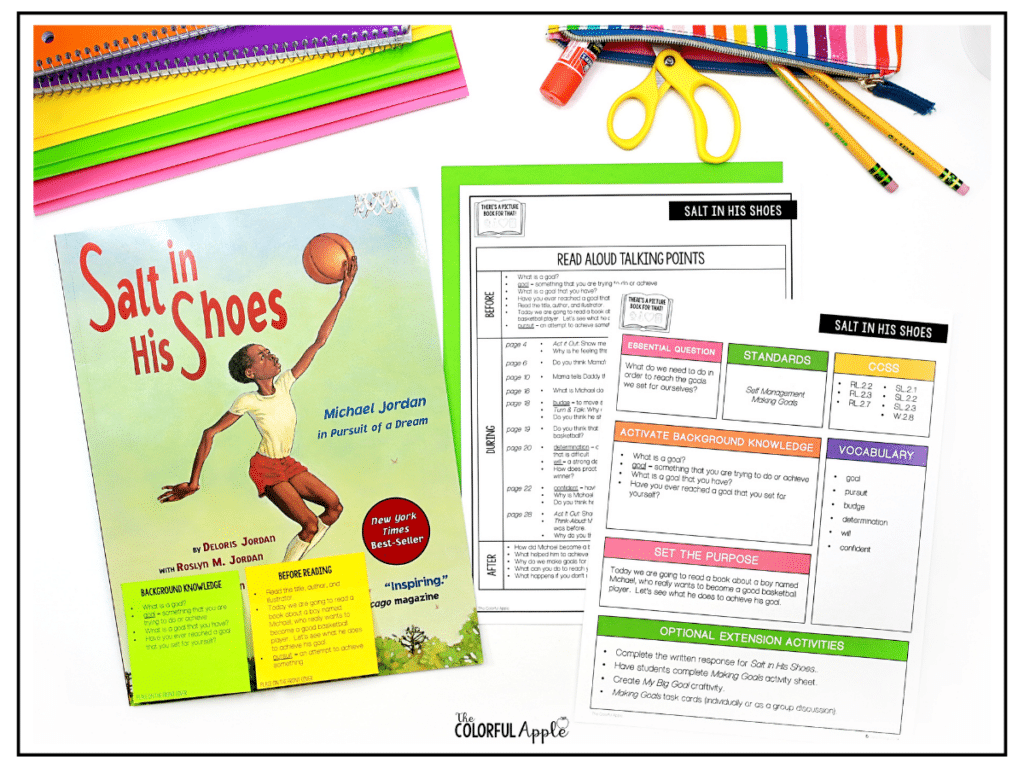
- Book with pre-marked stopping points using sticky notes
- Student response materials (sticky notes, pencils)
- Relevant anchor charts or visual aids
- Clearly defined partner assignments
Partner selection deserves careful consideration. Establishing consistent reading partners at the beginning of the year creates routines that maximize instructional time and support meaningful discussions. When students work with the same partners regularly, they develop comfort in sharing their thinking and can build upon their shared reading experiences.

Introducing the Text Effectively
A strong introduction sets the foundation for student engagement and comprehension. Begin by presenting the book’s cover, title, author, and illustrator while connecting these elements to your instructional purpose. This is an opportunity to activate prior knowledge and build anticipation for the reading.
Strategic pre-reading questions might include:
- What do you notice about the cover illustration?
- Based on the title, what predictions can you make about the story?
- How might this connect to our current learning?
Reading with Purpose and Expression
The delivery of the read aloud itself requires thoughtful attention to pacing, expression, and student engagement. Effective read aloud delivery involves more than simply reading the words – it requires bringing the text to life through intentional voice modulation, appropriate pacing, and strategic pausing.
Key elements of effective delivery:
- Adjust reading pace to match the text’s mood and complexity
- Vary voice volume and tone to enhance meaning
- Incorporate purposeful pauses for processing time
- Model fluent reading and expression
Managing Interactive Elements
Strategic stopping points are crucial for maintaining engagement while ensuring comprehension. Place sticky notes at carefully chosen points in the text to mark spots for discussion, thinking aloud, or student response. Research suggests that 5-6 stopping points during a picture book read aloud provides sufficient interaction without disrupting the flow of the story.
For English language learners and students who may be hesitant to participate, consider implementing groups of three instead of pairs. This arrangement provides additional language models and ensures all students have opportunities to both speak and listen during discussions.
Time Management Considerations
Quality interactive read alouds often require more than one instructional period. Rather than rushing through the text to complete it in a single sitting, consider extending the reading across multiple sessions when working with longer texts or when deeper discussion is warranted. A 10-15 minute time block may only allow for a portion of the text plus meaningful discussion.
Essential Elements for Success
Implement these research-based practices to enhance read aloud delivery:
- Establish a dedicated reading space that promotes engagement
- Prepare all materials in advance
- Use visual markers for strategic stopping points
- Incorporate varied voice techniques
- Structure support for diverse learners
- Plan flexible timing based on text complexity and discussion depth
Implementation Strategies
Successful implementation of interactive read alouds depends on careful planning and consistent execution. Begin by establishing clear routines for gathering, participating, and responding. Model expectations explicitly and provide regular practice opportunities for students to master these procedures.
Consider documenting student responses and engagement patterns to inform future instruction. This data can help refine delivery techniques and identify areas where additional support may be needed.
How do you structure your interactive read alouds to maximize student engagement? Share your experiences in the comments section below.