
As we approach the new school year, many educators are busy preparing their classrooms, organizing materials, and reviewing curriculum. Among these essential preparations, planning for meaningful read alouds deserves special attention. Rather than grabbing random books off the shelf throughout the year, taking time now to create an intentional read aloud plan can transform these daily moments into powerful teaching opportunities across all subject areas.
Read alouds are more than just pleasant breaks in the school day – they are valuable instructional tools that can reinforce concepts, build background knowledge, and engage students in deeper thinking. When thoughtfully planned, they become essential components of a well-rounded curriculum rather than “extras” to fit in if time allows.
This comprehensive guide will walk you through creating an intentional read aloud plan that connects to your curriculum goals, supports classroom management, and maximizes student learning.
Creating Your Read Aloud Roadmap
The foundation of effective read aloud planning begins with a thorough understanding of your yearly curriculum across all subject areas. Before selecting books, take time to map out what you’ll be teaching and when.
Start with Curriculum Review
Set aside dedicated time to review your scope and sequence for each subject area. Look specifically for:
- Major topics and themes in each subject by month or unit
- Key skills and strategies you’ll be teaching in reading, writing, and math
- Social-emotional themes that align with different times of the year
- Particularly challenging concepts that students might need additional support with

Grab this Scope & Sequence Book List!
Create a Curriculum Map
Once you’ve reviewed your curriculum, create a simple document to serve as your read aloud roadmap. This doesn’t need to be elaborate – a straightforward table or spreadsheet works perfectly. Consider organizing it with:
- Months or units across the top
- Subject areas down the side (reading, writing, math, science, social studies, SEL)
- Key topics and skills listed in each corresponding cell
For example, your September entry might include place value (math), communities (social studies), and asking/answering questions (reading). This visual representation helps you see connections across subjects and identify opportunities for integrated read alouds.
Match Books to Curriculum
With your roadmap in place, you can begin matching books to specific curriculum needs. Look for titles that:
- Directly connect to content you’re teaching
- Exemplify specific skills or strategies
- Address multiple curriculum areas simultaneously
- Build background knowledge for upcoming units
This systematic approach ensures that your read alouds serve specific instructional purposes rather than filling time. Having books already mapped to curriculum topics saves significant planning time throughout the year and allows you to be more purposeful in your instruction.

Grab this Scope & Sequence Book List!
Evaluating Books for Maximum Teaching Potential
Not all wonderful books make effective teaching tools. Learning to evaluate books for their instructional potential is a valuable skill that will enhance your read aloud practice.
Criteria for “Teaching-Worthy” Books
When evaluating books for instructional use, consider these key factors:
- Curriculum Alignment: Does the book clearly connect to specific content or skills you’re teaching?
- Concept Clarity: Does the book present ideas in an accessible, accurate way?
- Engagement Factor: Will the book capture and maintain student interest?
- Appropriate Length: Is the book the right length for your students’ attention spans?
- Discussion Potential: Does the book offer opportunities for meaningful conversation?
- Visual Support: Do the illustrations enhance understanding of concepts?
- Language Quality: Does the book contain rich vocabulary and well-crafted sentences?
Conducting a Book “Test Drive”
Before using a book for instruction, conduct a thorough evaluation:
- Read through once simply to enjoy and understand the book
- Read a second time with curriculum connections in mind
- Identify potential stopping points for discussion
- Note vocabulary that might need pre-teaching
- Consider how the book connects to your students’ experiences
- Determine what follow-up activities might extend learning
This evaluation process helps ensure that the books you select will effectively support your teaching goals. Though it requires initial investment of time, having a collection of pre-evaluated books streamlines your planning throughout the year.
Planning for Classroom Management Success
Even the most curriculum-aligned read aloud will fall flat without effective classroom management. Planning for student engagement and behavior is as important as selecting the right books.
Establish Read Aloud Routines Early
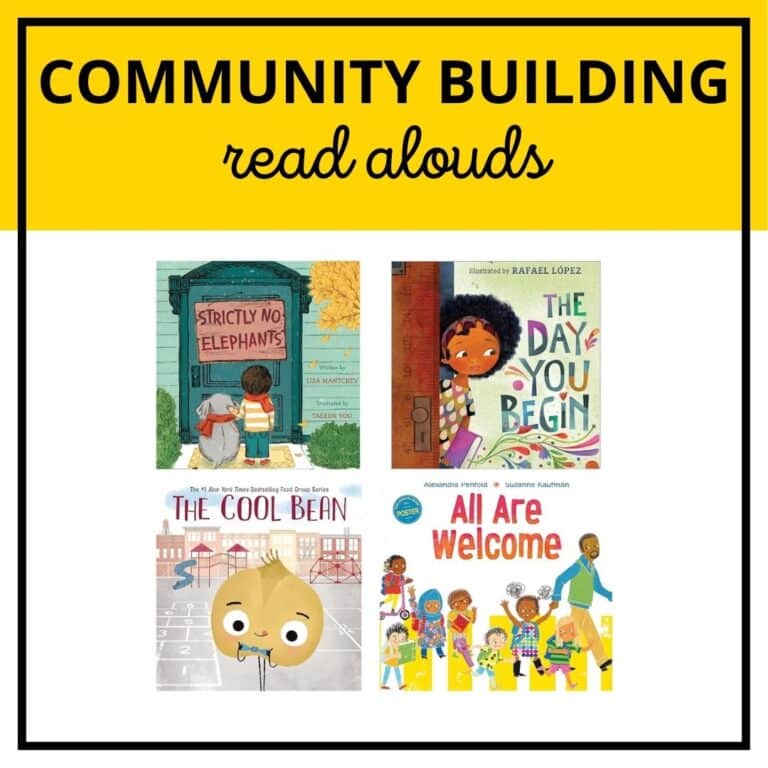
Before diving into curriculum-focused read alouds, use the first weeks of school to establish clear routines and expectations. Use engaging back-to-school books to practice:
- Active listening behaviors
- Turn-and-talk protocols
- Question-asking procedures
- Transition routines to and from the read aloud area
Taking time to explicitly teach and practice these routines builds a foundation for successful read alouds all year long.

Optimize Your Physical Space
The physical arrangement of your read aloud space significantly impacts student engagement and behavior:
- Position seating to ensure all students can see the book
- Consider strategic placement for students who need additional support
- Create visual cues for expectations (sitting spot markers, anchor charts)
- Ensure appropriate proximity control for classroom management
- Plan pathways for smooth transitions to and from the area
Experiment with different arrangements until you find what works best for your specific group of students and your teaching style.
Prepare Questions and Discussion Points
One of the most effective classroom management strategies is thorough preparation of your instructional delivery:
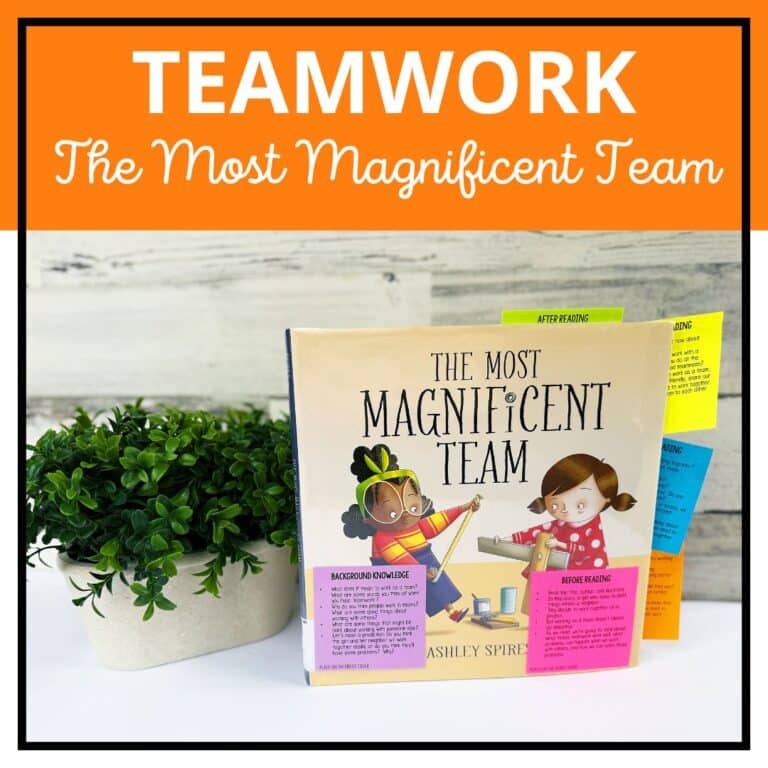
- Pre-mark books with sticky notes indicating stopping points
- Prepare open-ended questions that engage multiple students
- Plan for a balance of literal and inferential questions
- Consider how you’ll manage participation to include all students
- Create a system for tracking student responses over time
Having questions prepared in advance allows you to focus on student engagement rather than trying to formulate questions on the fly. Many teachers find that color-coding sticky notes helps organize different types of questions (vocabulary, inferential thinking, connections, etc.).

Making Read Alouds Truly Meaningful
The difference between simply reading a book and teaching with a book lies in how you extend the experience beyond the text itself.
Connect Across the Curriculum
Maximize the impact of your read alouds by intentionally drawing connections:
- Link read aloud content to previous lessons
- Point out connections across subject areas
- Help students see how concepts interrelate
- Build background knowledge for upcoming units
- Reinforce previously taught vocabulary and concepts
These connections help students develop a more integrated understanding of what they’re learning rather than seeing subjects as isolated silos.
Incorporate Meaningful Follow-Up Activities
Extend learning beyond the read aloud with purposeful activities:
- Quick writes to capture thinking
- Discussion groups to deepen understanding
- Visual representations of key concepts
- Application tasks that transfer learning to new contexts
- Extensions that differentiate for various learning needs
These activities don’t need to be elaborate – even a simple reflection prompt can significantly enhance the impact of your read aloud.

Document Learning
Create systems for documenting the learning that occurs during read alouds:
- Class anchor charts that capture key ideas
- Reading response journals for individual reflection
- Digital documentation of discussions
- Student-created visual representations
- Connection webs that build throughout a unit
These documentation strategies not only reinforce learning but also provide evidence of the instructional value of your read alouds.
Practical Action Steps
Ready to implement these ideas? Here are concrete steps to take before the school year begins:
- Dedicate Planning Time: Set aside 1-2 hours specifically for read aloud planning
- Create Your Curriculum Map: Document what you’ll be teaching across subjects throughout the year
- Match Books to Topics: Begin with the first month, matching specific books to your curriculum needs
- Evaluate Your Selections: “Test drive” your chosen books to ensure they meet your teaching criteria
- Prepare Discussion Questions: Place sticky notes with prepared questions in your first few books
- Establish Your Management System: Create any necessary visuals for expectations and participation
- Plan Initial Follow-Up Activities: Prepare simple extension activities for your first few read alouds
This preparation will set you up for success from the first day of school and establish read alouds as valuable instructional time in your classroom.
Conclusion
Intentional read aloud planning transforms these daily moments from pleasant story times into powerful teaching opportunities. By aligning your book selections with curriculum goals, preparing thoughtful questions, planning for effective management, and extending learning through meaningful follow-up activities, you create a read aloud practice that significantly impacts student learning across all subject areas.
While this preparation requires initial investment of time, the benefits far outweigh the costs. Students engage more deeply, make stronger connections, and retain content more effectively when it’s presented through well-planned read alouds.
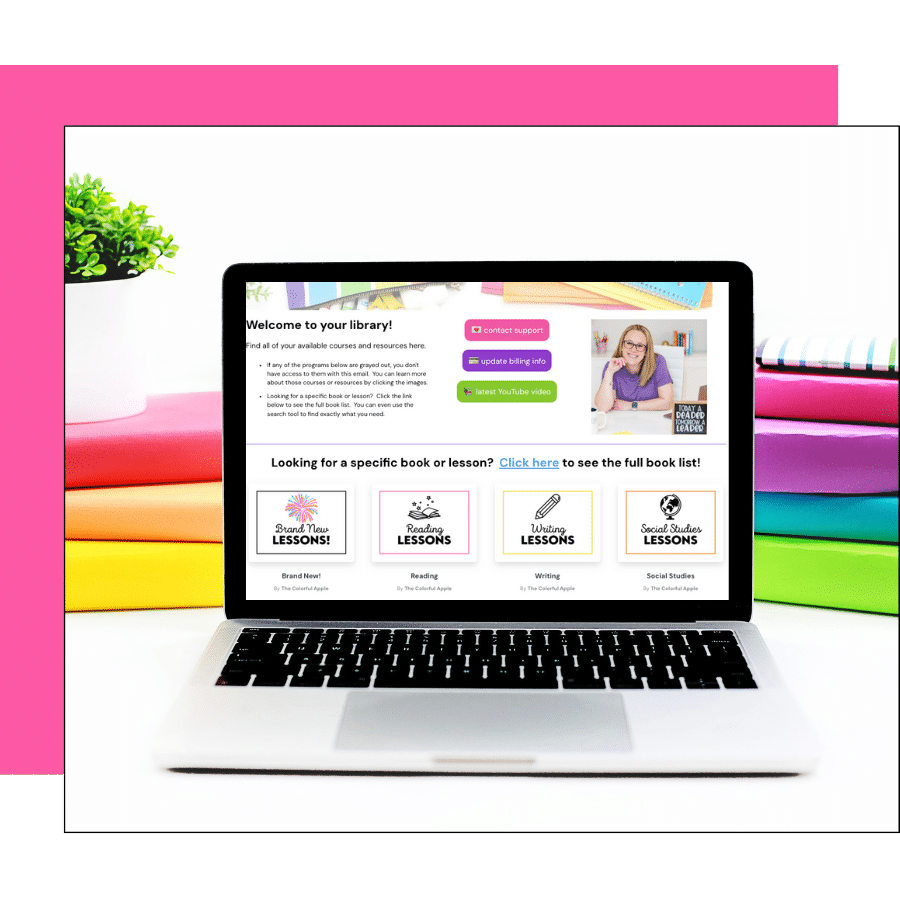
For teachers feeling overwhelmed by the planning process, resources like the Colorful Apple Book Club can provide support with carefully selected books and complete read aloud lessons across all subject areas. Having read aloud lessons already prepared allows you to focus on delivery and student interaction rather than planning.
Whether you create your own plans or utilize prepared resources, approaching read alouds with intentionality will enhance your teaching and your students’ learning throughout the coming school year.