Picture this: You’re sitting on the carpet with your class, holding up a beautiful picture book you’re excited to share. You start reading with enthusiasm, and within minutes, you notice Jimmy rolling around, Sarah playing with her shoelaces, and half the class seems to be looking everywhere but at you.
Sound familiar?
This scenario plays out in classrooms everywhere, and it’s one of the most common challenges teachers share with me. In today’s world of constant stimulation and shorter attention spans, keeping students engaged during read alouds has become increasingly difficult. However, with thoughtful strategies and a shift in perspective, those magical read aloud moments are still possible, even with your most energetic students.
Understanding Today’s Wiggly Students
Today’s students differ significantly from those of even a decade ago. With the prevalence of technology and fast-paced media, many children have become accustomed to constant stimulation and quick transitions. This isn’t a judgment—it’s simply our reality as educators navigating the modern classroom.
One of the most persistent misconceptions I encounter is the belief that students need to be completely still to be learning. I encourage you to challenge this notion. Some of our most engaged learners might be the ones fidgeting, rocking, or even standing during read alouds. For many students, especially those with sensory processing needs, movement actually facilitates focus and information processing.
I observed this phenomenon in my own classroom with a student named Marcus. He would consistently move around during our read alouds, and my initial instinct was to correct this behavior. However, I noticed something remarkable—when I asked him questions about the story, he could recall details with greater accuracy than many students sitting perfectly still. His body needed to move for his brain to engage fully.
Before implementing specific strategies, I invite you to shift your perspective slightly. The ultimate goal isn’t necessarily to have a perfectly still and silent classroom during read alouds—it’s to cultivate an environment where students are genuinely engaged with the literature and where the magic of storytelling can flourish.

Proactive Strategies for Read Aloud Success
The most effective approach to managing wiggly students is establishing a foundation for success before you even open a book. This begins with creating clear expectations and thoughtful preparation.
Strategic Seating Arrangements
One of the most significant improvements in my classroom came from implementing strategic seating during read alouds. This approach looks different for every class, but the concept remains consistent: be intentional about where students sit.
For younger students, this might mean:
- Assigned carpet spots using tape markers or small carpet squares
- Placing more energetic students at the outer edges of the group where their movement won’t distract others
- Ensuring all students can still see the illustrations clearly
- Strategically separating students who tend to engage in side conversations
- Creating slightly more personal space for students who struggle with proximity
Building Listening Stamina
Just as we develop reading stamina for independent reading, we must cultivate listening stamina for read alouds. This is particularly important for younger students or those with attention challenges.
Begin with shorter books—perhaps just 5-7 minutes of reading time—and celebrate when your class maintains focus for that duration. Gradually increase the length as your students build their mental endurance. Remember that this is a progressive skill that improves with consistent practice and positive reinforcement.
Thoughtful Book Selection
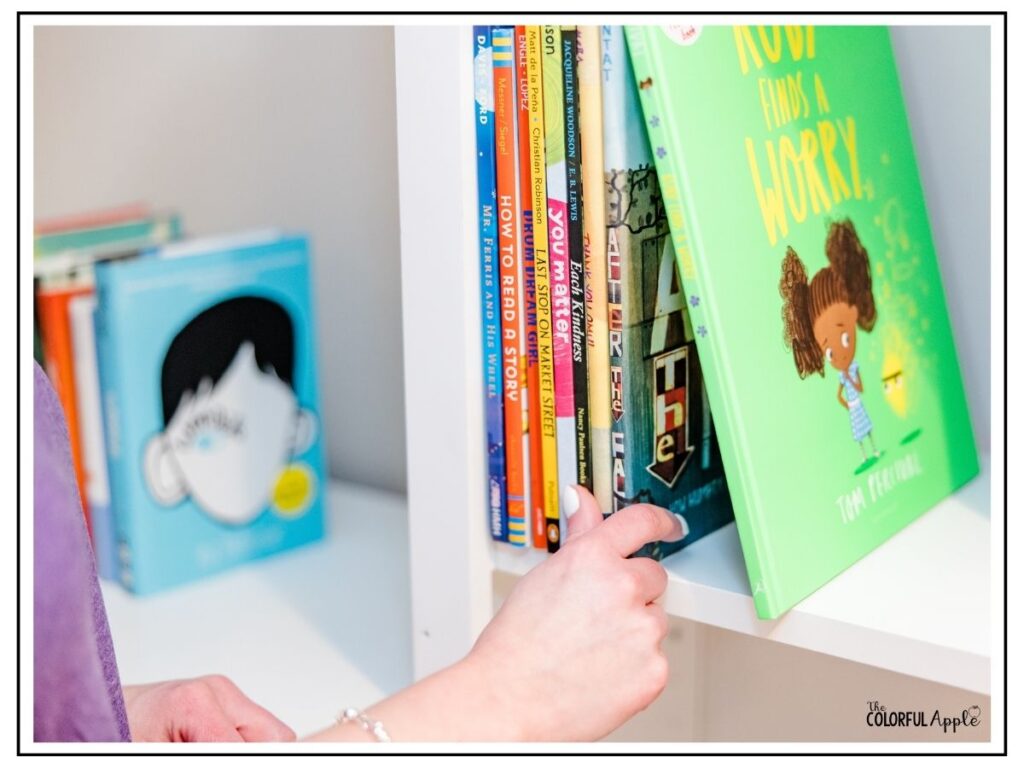
I cannot emphasize enough the importance of selecting appropriate books. If students aren’t genuinely interested in the material, no management strategy will maintain their engagement. Choose books with:
- Dynamic, engaging illustrations that support comprehension
- Interactive elements or predictable patterns
- Humor (the power of a funny book to capture attention is remarkable)
- Topics relevant to your students’ interests and experiences
- Appropriate complexity (neither too simple nor too challenging)
- Cultural relevance that reflects your students’ backgrounds
The right book selection can transform even the most challenging read aloud sessions. As one experienced teacher in our community aptly stated, “The right book can silence even the wiggliest class.”
Optimizing Your Physical Space
Consider the physical environment where your read alouds take place. Environmental factors significantly influence student behavior and attention:
- Is the lighting appropriate—neither too dim (causing drowsiness) nor too harsh?
- Have you minimized visual distractions in the reading area?
- Do students have enough personal space without being too spread out?
- Can everyone see the book clearly from their position?
Small adjustments to your physical space can yield substantial improvements in student engagement during read alouds.
Engagement Techniques During Read Alouds
Maintaining student engagement throughout a read aloud requires active techniques that invite participation while preserving the flow of the story.
Voice Modulation and Expression
Your voice is perhaps your most powerful tool for capturing and maintaining attention. Varying your volume, pace, and using distinct character voices can recapture wandering attention. You needn’t be a professional voice actor—simple variations make a significant difference:
- Whispering during suspenseful moments
- Using an excited tone during action sequences
- Employing dramatic pauses before key revelations
- Creating distinctive voices for main characters
- Adjusting your pace to match the energy of the story
These vocal techniques signal to students that something important or interesting is happening, naturally drawing their attention back to the narrative.
Strategic Stopping Points
Rather than reserving all discussion for the conclusion of the book, incorporate brief pauses at strategic points. These moments give wiggly students the movement and interaction they need while keeping them connected to the story.
During these pauses, students might:
- Turn and talk briefly with a partner about a prediction
- Show a quick hand signal to indicate their thinking
- Stand up and act out a word or emotion from the text
- Make a connection to their own experiences
- Demonstrate comprehension through a physical response
The key is keeping these interactions brief and purposeful, allowing you to maintain the narrative momentum while providing necessary movement opportunities.
Silent Signals and Non-Verbal Participation
Implement a system of silent signals that allow for whole-class participation without disrupting the flow of your reading. These might include:
- Thumbs up/down/sideways to answer questions or indicate agreement
- Showing emotions with facial expressions to reflect character feelings
- Hand signals to indicate predictions or connections
- Visual cue cards that students can hold up to share thinking
These non-verbal participation methods are particularly valuable for students who need physical engagement but struggle with verbal restraint.

Purposeful Movement Integration
Deliberately incorporate movement that connects to the story content. This transforms potentially disruptive energy into focused engagement:
- Pause for students to “show with their bodies” how a character might be feeling
- Create simple gestures that represent recurring themes or characters
- Have students stand or perform a movement when they hear a certain repeated phrase
- Incorporate brief movement breaks that thematically connect to the story
When movement becomes a legitimate part of the read aloud experience rather than a distraction from it, wiggly students can channel their physical energy appropriately.
Accommodations for Different Learning Needs
Some students require additional support to fully engage with read alouds. Thoughtful accommodations can remove barriers to participation and set these students up for success.
Appropriate Fidgets
Fidget tools can be tremendously beneficial for certain students when used correctly. If you decide to introduce fidgets, establish clear expectations:
- The fidget remains in hands or on lap during the read aloud
- It should not produce noise that might distract others
- It should support focus rather than becoming a toy
- If it becomes a distraction, the student may lose the privilege temporarily
Simple fidgets like a small piece of therapy putty, a soft stress ball, or a piece of velcro attached under a carpet square often work well during read alouds. Begin by offering these tools to select students who demonstrate the greatest need, then gradually expand access as appropriate.

Alternative Seating Options
While gathering as a community for read alouds has significant benefits, flexibility in seating can help certain students engage more successfully:
- Wobble stools for students who need constant subtle movement
- Cushions or pillows for comfort and sensory support
- Designated standing spots for students who focus better on their feet
- Chair options for students who struggle with floor sitting
- Small exercise balls (with safety precautions in place)
Remember that the goal is meaningful engagement with literature, not adherence to a particular seating arrangement. If alternative seating facilitates better focus and comprehension, it’s a worthwhile adaptation.
Visual Supports
Visual tools can significantly enhance the read aloud experience for many students:
- Visual timers show students how long they need to maintain focus
- Picture cards can silently remind students of expectations
- Visual schedules of the read aloud routine provide predictability
- Anchor charts with listening strategies offer concrete reminders
- Picture cues for turn-taking during discussions
These visual supports are especially beneficial for English language learners and students with processing differences, but they enhance the experience for all learners.
Troubleshooting Common Challenges
Even with thorough preparation and thoughtful strategies, challenges will inevitably arise. Developing a flexible response toolkit will help you navigate difficult situations effectively.
Managing Individual Disruptions
When one student is consistently disruptive:
- Try proximity—simply moving closer while continuing to read often helps
- Implement a private signal system with that student
- Offer an appropriate alternative (different seating, a fidget tool)
- Provide positive reinforcement when the student demonstrates appropriate behavior
- Consider whether the disruption indicates a need that isn’t being met
Remember that addressing behavior privately whenever possible preserves the student’s dignity and maintains the positive atmosphere of the read aloud experience.
Regaining Group Focus
When you notice most students becoming disengaged:
- Acknowledge the situation without judgment: “I notice our bodies need a quick break.”
- Provide a brief, structured movement opportunity: “Let’s stand and stretch for 20 seconds.”
- Restate your expectations clearly: “Now we’re ready to return to our amazing story with focused bodies and minds.”
- Resume reading with renewed energy and expression.
This reset approach acknowledges students’ physical needs while maintaining the integrity of your read aloud time.
Knowing When to Adapt
There are times when adjusting your plans demonstrates responsive teaching rather than giving up:
- Shortening the read aloud if student engagement is waning
- Pausing a longer story at an earlier point than planned
- Incorporating more interaction if the group needs additional engagement
- Switching to a different book if your selection isn’t resonating
This flexibility shows students that you’re attuned to their needs while still prioritizing the read aloud experience.
Reflection and Improvement
After particularly challenging read aloud sessions, take time to reflect:
- Was it the time of day?
- Did the book selection match student interests and needs?
- Were your engagement strategies effective?
- Did the physical arrangement support success?
- Were there external factors affecting student behavior?
Each challenging experience provides valuable information for future planning. This reflective practice is central to improving the read aloud experience over time.
Action Steps for Implementation
Ready to enhance engagement during your read alouds? Here are six concrete actions you can take immediately:
- Assess your current routine: Evaluate what’s working and what isn’t in your current read aloud practice. Is it the space, timing, book selection, or engagement techniques that need adjustment?
- Implement strategic seating: For your next read aloud, deliberately arrange your students, placing more active children where they can see well and where you can easily maintain eye contact.
- Introduce appropriate fidgets: Select 2-3 students who might benefit most and introduce appropriate fidget tools with clear guidelines for use.
- Select high-interest, appropriate-length books: Choose a slightly shorter, highly engaging book for your next read aloud to build success and positive associations.
- Plan for movement: Identify 2-3 specific points in your next story where you’ll incorporate purposeful movement or high-engagement interactions.
- Celebrate progress: Make a point to notice and acknowledge moments of engagement from typically wiggly students—recognize that improvement happens incrementally.
Conclusion
Maintaining engagement during read alouds with wiggly students presents a genuine challenge in today’s classrooms, but it’s certainly not insurmountable. By understanding the needs of active learners, implementing proactive strategies, providing appropriate accommodations, and remaining flexible in your approach, you can create meaningful literary experiences for all your students.
Remember that the ultimate goal isn’t perfect stillness—it’s genuine engagement with literature. When we shift our focus from managing behavior to facilitating connection with stories, we create space for the transformative power of read alouds to work in our classrooms.
I’d love to hear which strategies work best in your classroom! Share your experiences or questions in the comments below, or connect with me on Instagram @thecolorfulapple with your favorite tip or biggest success story.