
Have you ever struggled to help your students understand the difference between similes and metaphors? Or maybe you’ve found the perfect mentor text but didn’t have time to plan meaningful lessons around it? We know how challenging it can be to teach figurative language in a way that truly resonates with students while managing everything else on your plate.
That’s exactly why Wish in a Tree by Linda Mullaly Hunt is such a treasure for elementary classrooms. This beautiful picture book doesn’t just contain excellent examples of similes and metaphors—it weaves them naturally into a story that celebrates different ways of thinking and helps students understand that their unique perspectives are valuable.
Why This Book Works So Well for Teaching Figurative Language
Wish in a Tree follows Oliver, whose “brain is a volcano of ideas—always bubbling with questions.” Right from the start, students encounter a powerful metaphor that helps them visualize exactly how Oliver’s mind works. Throughout the story, author Linda Mullaly Hunt uses carefully crafted comparisons that make Oliver’s experiences feel real and relatable.
The genius of this book lies in how the figurative language serves the story. When Oliver describes feeling “like a fish in a tree” at school, students immediately understand that uncomfortable feeling of being in a place where you don’t quite fit. When he says his “pencil is a rocket,” they can picture the energy and excitement of his ideas taking off. These aren’t random comparisons thrown in for practice—they’re essential to understanding Oliver’s character and experiences.
This authentic use of figurative language helps students see why authors choose similes and metaphors in the first place: to help readers truly understand and connect with characters’ feelings and experiences.
Connecting Literature to Life: The Neurodiversity Connection
One of the most powerful aspects of using Wish in a Tree in your classroom is how it opens conversations about different ways of thinking and learning. Oliver’s story resonates with many students who feel like they don’t quite fit the traditional school mold, whether they have ADHD, dyslexia, autism, or simply learn differently.
When you teach figurative language through Oliver’s story, you’re not just building writing skills—you’re helping students understand that different perspectives and ways of thinking are valuable. The metaphor of a “brain that blazes with curiosity and imagination” becomes more than just a writing technique; it becomes a celebration of neurodiversity.
This dual purpose makes your read-aloud time incredibly meaningful. You’re addressing both academic standards and social-emotional learning while showing students that literature can reflect their own experiences and validate their feelings.
Overcoming Common Figurative Language Teaching Challenges
Let’s be honest—teaching similes and metaphors can be tricky. Students often take comparisons too literally, struggle to create their own examples, or simply don’t understand why authors don’t just “say what they mean.” Wish in a Tree helps address these common challenges naturally.
Challenge: Students don’t see the purpose of figurative language Solution: Oliver’s comparisons clearly show students how much more we understand about his feelings when the author uses metaphors like “brain is a volcano” instead of simply saying “Oliver has lots of ideas.” Students can feel the difference between the two approaches.
Challenge: Students create weak or nonsensical comparisons Solution: The book provides strong models. When Oliver compares something to “a beluga whale in a sea of milk,” students see how effective comparisons connect two things that share important qualities—in this case, both the whale and milk are white, creating a vivid image.
Challenge: Students confuse similes and metaphors Solution: The book contains clear examples of both. You can point out how “like a fish in a tree” uses “like” (simile) while “my brain is a volcano” doesn’t use comparison words (metaphor). Having multiple examples in context helps students internalize the difference.

Differentiation Across Grade Levels
The beauty of Wish in a Tree is its flexibility across elementary grades. Here’s how you can adapt your approach:
Grades K-1: Focus on the vivid imagery and simple comparisons. Students can draw pictures of Oliver’s “volcano brain” or act out being “like a fish in a tree.” Encourage them to create simple comparisons using sentence frames: “My brain is like a _____” or “When I’m happy, I feel like a _____.”
Grades 2-3: Students can identify whether comparisons use “like” or “as” (similes) or not (metaphors). They can create their own comparisons about school experiences, following Oliver’s model. Encourage them to think about why the author chose specific comparisons and how they help readers understand Oliver’s feelings.
Grades 4-5: Dive deeper into author’s craft. Students can analyze how figurative language changes throughout the story as Oliver’s self-understanding grows. They can create more sophisticated comparisons and discuss how metaphors can carry multiple meanings. Challenge them to find figurative language in other texts and explain its effectiveness.
For Advanced Learners: Explore how the same comparison might work as both simile and metaphor (“My brain grinds like a pencil in a sharpener” vs. “My brain is a pencil grinding in a sharpener”) and discuss how the slight change affects meaning and impact.
For Struggling Learners: Start with the most concrete comparisons and use visual supports. Draw pictures of the comparisons or use manipulatives to demonstrate. Focus on one type of figurative language at a time rather than mixing similes and metaphors in the same lesson.

Beyond Similes and Metaphors: Multiple Teaching Opportunities
While figurative language is the perfect focus for this book, Wish in a Tree offers rich opportunities for teaching multiple skills. You can easily extend your lessons to include:
Character Analysis: Oliver’s growth throughout the story provides excellent practice for understanding character development and motivation.
Making Connections: Students naturally connect with Oliver’s school experiences and can share their own moments of feeling different or out of place.
Author’s Craft: Beyond figurative language, examine how Linda Mullaly Hunt reveals character through dialogue, actions, and internal thoughts.
Social-Emotional Learning: Discuss themes of self-acceptance, friendship, and celebrating differences—perfect for building classroom community.
Cross-Curricular Connections: Connect to science (volcanoes, rockets) or social studies (discussing different types of intelligence and contributions to society).
This versatility means you get maximum value from your read-aloud time, addressing multiple standards while keeping students engaged with a single, powerful text.
What Makes a Complete Figurative Language Lesson
Creating an effective interactive read-aloud lesson takes significant planning time—time that most teachers simply don’t have. You need to pre-read the book, identify the best stopping points, craft meaningful discussion questions, create follow-up activities, and ensure everything aligns with your standards.

A complete lesson plan for Wish in a Tree should include several key components that save you hours of preparation while ensuring student engagement and learning:
Strategic Discussion Questions: Not just any questions, but carefully crafted prompts that appear at specific page numbers throughout the book. These questions should guide students to notice the figurative language naturally, compare different examples, and think critically about why the author made specific choices. Having questions ready with exact page numbers means you can focus on facilitating discussion rather than thinking on your feet.
Multiple Response Options: Students need different ways to show their understanding. Some learn best through writing, others through hands-on activities, and still others through discussion. A comprehensive lesson provides various response sheets that allow for differentiation while addressing the same learning objectives. Answer keys save you time during grading and help you provide quick feedback.
Hands-On Learning Component: Students remember what they experience actively. A well-designed craftivity connects the book’s message to students’ own lives while reinforcing the figurative language concepts. When students create their own “volcano brain” craft while thinking about their own unique strengths, they internalize both the literary device and the book’s positive message.
Flexible Application Activities: Task cards provide the perfect way to extend learning beyond the initial read-aloud. These can work for whole class discussions, small group work, or individual practice, giving you options that fit your schedule and teaching style. The scenarios should help students apply their understanding of figurative language to new situations.
Clear Teaching Guide: A comprehensive teacher guide walks you through the entire lesson, from introduction to conclusion. It should include vocabulary words, learning objectives, and implementation suggestions so you feel confident teaching the lesson even if you’re new to this particular book or skill.
Making It Happen in Your Classroom
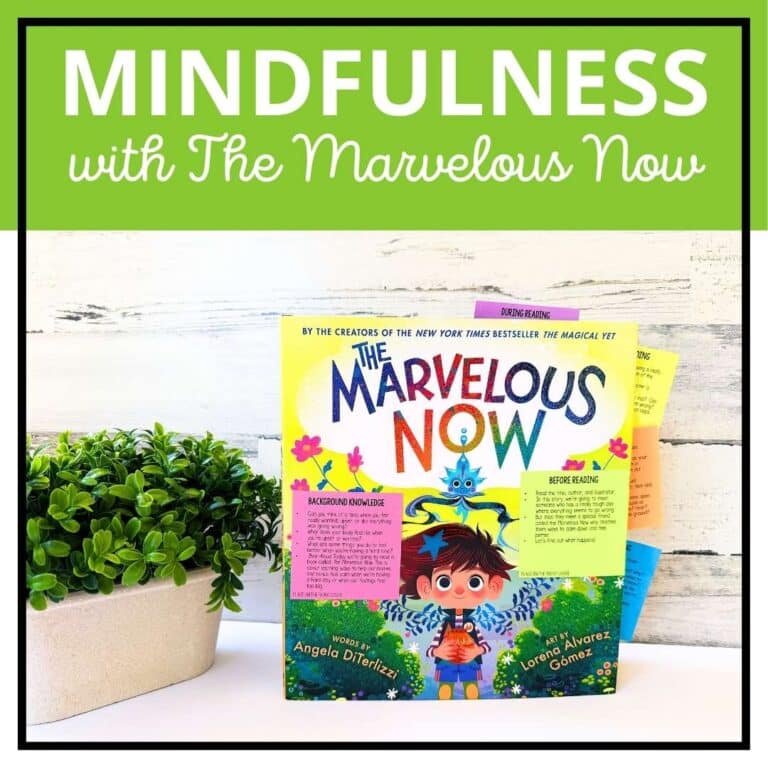
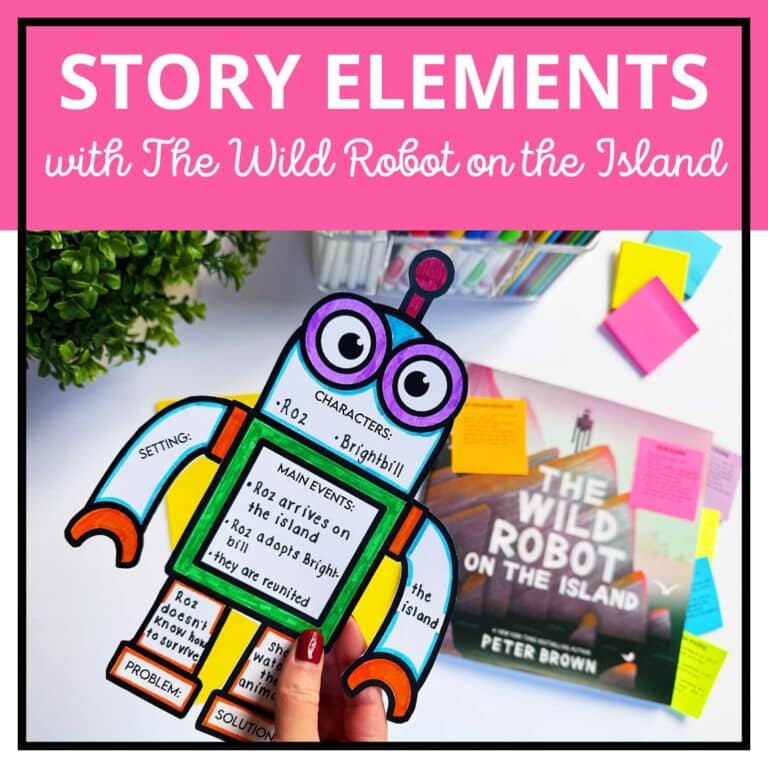
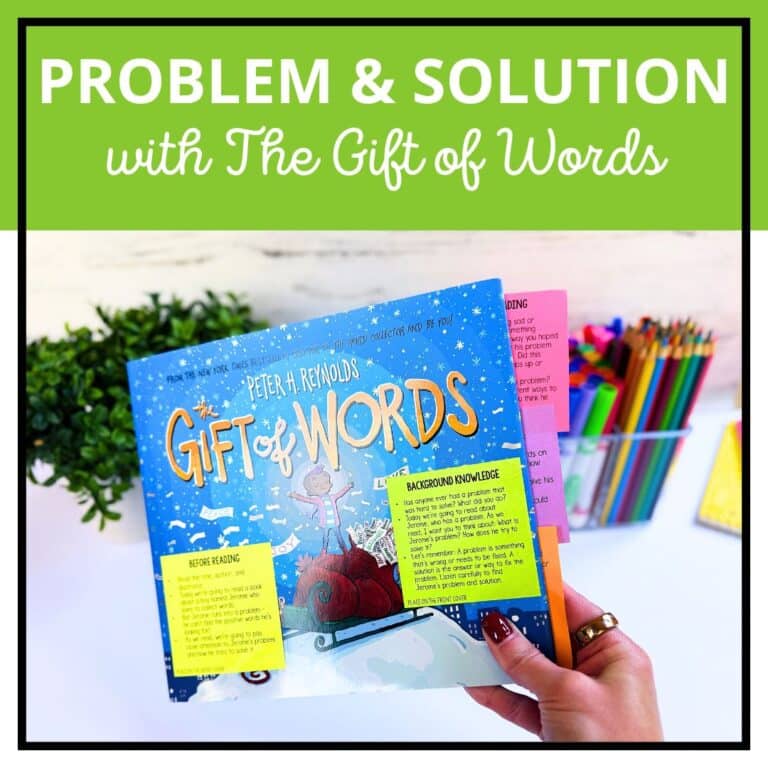
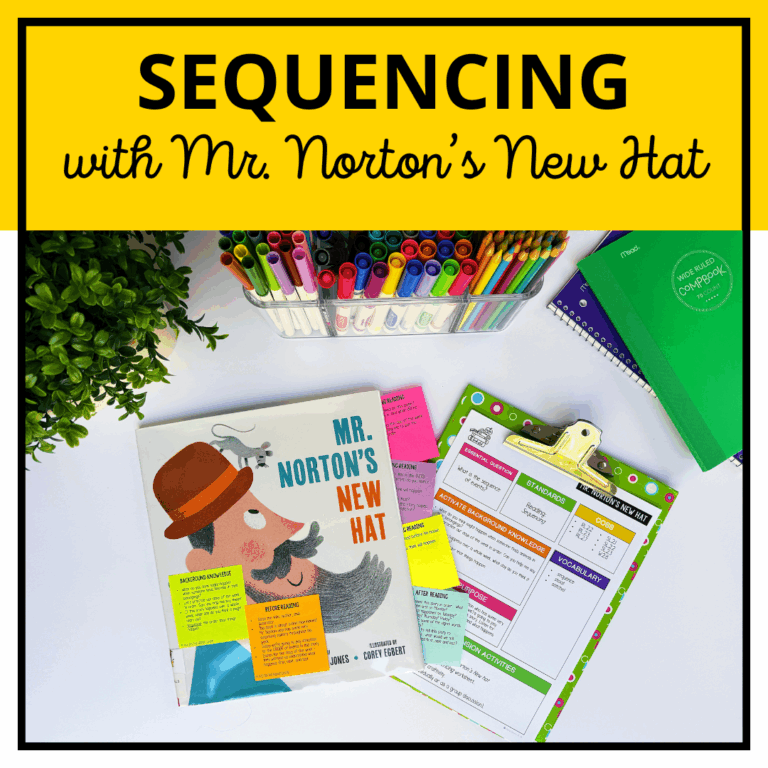
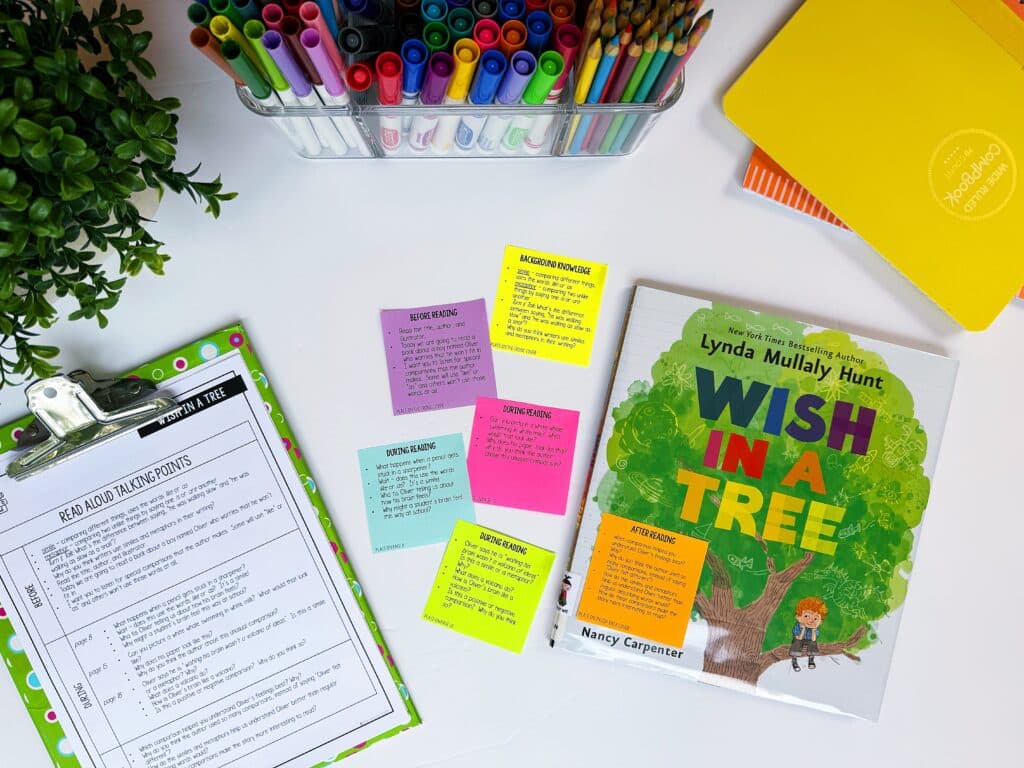
Picture this: You’re ready for your read-aloud with Wish in a Tree in hand and your discussion questions on sticky notes placed right in the book. As you read about Oliver’s “volcano brain,” you stop at the perfect moment and ask, “What does a volcano do?” Students’ hands shoot up with excitement as they make connections between erupting volcanoes and Oliver’s bubbling ideas.
After reading, students complete their response sheets, some choosing the more challenging analysis option while others work with sentence frames that scaffold their thinking. During your afternoon break, they work on their craftivity, creating their own representations of what makes their brains special while discussing the figurative language they discovered.

The next day, you use the task cards for morning work, and students are still talking about Oliver’s comparisons and sharing their own. Without spending hours planning, you’ve delivered a meaningful lesson that addresses writing standards, celebrates student differences, and gives everyone tools for creating more vivid, engaging writing.
Ready to Transform Your Figurative Language Teaching?
Wish in a Tree offers everything you need for powerful figurative language instruction wrapped in a story that celebrates what makes each student unique. When you have a complete lesson plan that includes strategic questions, differentiated activities, and hands-on learning experiences, you can focus on what you do best—facilitating meaningful learning experiences for your students.
Your students deserve lessons that honor both their academic growth and their individual strengths. This beautiful book, paired with thoughtfully designed activities, helps you deliver exactly that kind of transformative learning experience.
If you’re ready to bring this level of meaningful, ready-to-teach lessons to your classroom consistently, The Colorful Apple Book Club might be exactly what you need. This complete Wish in a Tree lesson is just one of dozens of interactive read-aloud lessons waiting for you inside our membership.
Each month, you receive carefully selected picture books paired with complete lesson plans that address writing skills, reading strategies, and social-emotional learning—all designed to save you planning time while creating those magical classroom moments your students will remember. When you join us in the Book Club, you’re not just getting individual lessons; you’re gaining access to an entire year’s worth of literature-based instruction that celebrates diverse learners, builds essential skills, and brings joy back to your read-aloud time.